
China Spiderman Costume: The Ultimate Guide for Cosplay Enthusiasts
2026-05-26
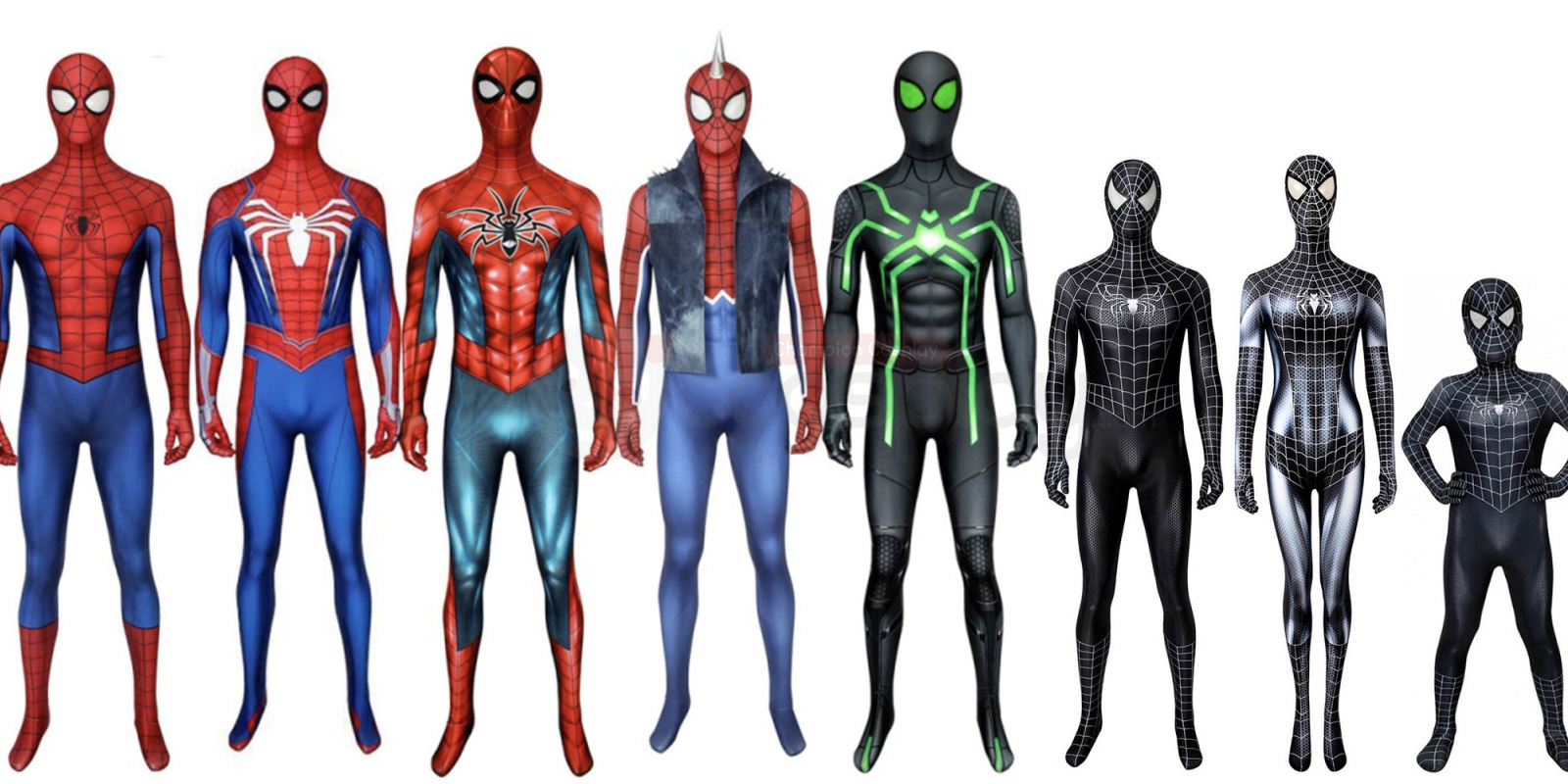
When it comes to embodying the agile hero from Queens, the China Spiderman costume has taken the cosplay world by storm. At CCosplay, we've seen firsthand how this sleek, meticulously crafted suit brings every acrobatic pose and web-slinging moment to life. Whether you're a seasoned cosplayer or just starting your journey into the Spider-Verse, choosing the right costume can make or break your transformation. This guide dives deep into the nuances of China Spiderman suits—from fabric quality to design accuracy—ensuring you stand out at your next convention or photoshoot. Ready to swing into action?
Uncovering the Roots of the China Spiderman Aesthetic
The Chinese Spiderman aesthetic didn't emerge from comic books alone—it sprouted from the concrete and steel of the nation's breakneck urbanization. The term "spiderman" (蜘蛛人) was first widely used to describe the high-altitude construction workers who scaled skyscrapers with little more than ropes and harnesses, their silhouettes etched against the haze of expanding city skylines. These figures were not fantasy; they were fathers, migrants, and laborers whose precarious work became a silent symbol of China's modern transformation. Over time, their real-life acrobatics seeped into the collective imagination, creating a raw, visceral template for heroism that Hollywood gloss could never replicate.
This grassroots iconography collided with the global Spider-Man brand in a uniquely Chinese way. Instead of sleek spandex perfection, homemade costumes stitched from market fabrics and improvised web-slinging antics became a form of street theatre. On platforms like Kuaishou and Douyin, rural creators filmed themselves swinging from unfinished buildings, their videos tinged with both play and a poignant commentary on labor and aspiration. The aesthetic is less about superpowers and more about resilience, a kind of wish fulfillment for the overlooked—turning the monotony of manual work into a mythic act. The grittiness becomes a badge of honor, each dust-covered leap a rejection of polished Marvel narratives in favor of something tangible and true.
Dig deeper and you'll find threads connecting to older performance traditions, like street acrobatics and Peking opera stunts, where physical prowess was always a spectacle of survival. The Chinese Spiderman aesthetic, then, is a palimpsest: industrial danger overlaid with folk heroism, filtered through the lens of a smartphone. It speaks to a society that values “suzhi” (quality) yet celebrates the unruly energy of the underclass breaking free, if only for a few seconds of viral fame. What makes it compelling isn't the mimicry of a Western icon, but the way it redefines heroism as something you can touch, worn thin at the elbows, climbing toward a sky that never quite feels within reach.
The Secret Behind Superior Fabric and Fit
It starts with the fibers. We source only long-staple cotton and merino wool from select farms, where traditional methods meet modern sustainability. This isn’t about thread count alone—it’s the way each strand holds dye, resists pilling, and breathes against your skin that sets our fabric apart.
Then comes the cut. Every piece is pattern drafted by a tailor who understands movement, not just measurements. Shoulders are set slightly forward, armholes curved higher for a natural range, and center back seams adjusted so the garment hangs without pulling. The result is a fit that follows your body instead of forcing it into shape.
Finally, we shrink the seams—literally. Each garment is washed and pressed after assembly, mimicking years of wear in a single process. This locks stitches, eliminates residual tension, and brings out a soft hand feel that no off-the-rack finish can replicate. It’s why our basics feel familiar the first time you put them on.
Personalizing Your Suit with Cultural Symbols
Every stitch tells a story when you weave your heritage into a bespoke suit. A subtle embroidered motif on the inside of a cuff, drawn from family crests or regional art, offers a private nod to your roots without overpowering the silhouette. These details, chosen with care, transform a garment from mass-produced to a personal artifact.
Beyond hidden symbols, bolder choices can define the suit's personality. Imagine a lining printed with a vintage map of your hometown, or hand-stitched patterns echoing traditional textiles along the inner jacket back. Such elements create a quiet dialogue between the wearer and their origins, revealing themselves only to those invited into your confidence.
Color and fabric also carry cultural weight. A shirt stripe inspired by a specific festival, or a pocket square dyed with a technique passed down for generations, adds layers of meaning. The key is balance: let one or two curated details speak for themselves, ensuring the overall look remains crisp and composed while humming with personal significance.
Trusted Sources for Getting Your Hands on One
The most reliable route often starts with official brand boutiques or authorized retailers. These establishments not only guarantee authenticity but also provide the full manufacturer's warranty, which is invaluable for high-value items. Building a rapport with sales associates can give you early access to new releases or limited editions that never make it to the display case.
Certified pre-owned platforms with rigorous authentication processes are another solid choice. Look for services that employ in-house experts and offer detailed condition reports. Some even provide a certificate of authenticity and a return window that lets you inspect the purchase in person. This route often opens up discontinued models that are otherwise unavailable.
Collector forums and enthusiast communities can lead to hidden gems, but they require a cautious approach. Engage with well-established members who have a track record of verified transactions. Request tagged photos with timestamps, original receipts, and always use secure payment methods that offer buyer protection. A face-to-face meeting in a safe, public location is ideal for inspecting the item before concluding the deal.
Mastering the Poses and Presence
Building genuine poise in the studio goes beyond simply striking a shape. It’s about tuning in to the subtle shifts—the placement of a fingertip, the tilt of the chin—and understanding how these details transform an image. Instead of chasing perfection, try treating each pose as a conversation between your body and the lens. Notice where you hold tension and let it soften, allowing your presence to feel effortless rather than forced.
A quieter, more grounded approach often yields the most memorable results. Focus on the story you want to tell rather than mechanically cycling through angles you’ve seen elsewhere. When you’re fully present, even a simple gesture can feel magnetic. Let your breathing anchor you, and remember that the camera catches more than just posture—it picks up everything you’re holding inside.
Keeping Your Costume in Pristine Condition
Taking care of your costume starts the moment you take it off. Give it a gentle shake outdoors to dislodge any loose dust or debris. For fabrics that can handle it, a soft-bristle brush works wonders on velvets and wools, lifting dirt without damaging the fibers. Avoid harsh scrubbing—patience here keeps the texture intact and the colors bright.
Stains are inevitable, but panic isn’t part of the process. Blot, don’t rub, with a clean, damp cloth as soon as you notice a spot. For stubborn marks, a tiny dab of mild soap dissolved in cool water can be dabbed on with a cotton swab, working from the outside in to prevent spreading. Always test any cleaner on a hidden seam first—some dyes and trims react in unexpected ways.
Storage is the silent hero of costume longevity. Never cram your costume into a plastic bag; instead, opt for breathable garment bags or acid-free tissue paper to shield it from dust while letting air circulate. Hang structured pieces on padded hangers to preserve their shape, and lay delicate items flat in a drawer. A sachet of dried lavender tucked nearby deters moths naturally and leaves a faint, pleasant scent for next time.
FAQ
China-exclusive Spiderman suits often blend traditional Chinese motifs with classic Spider-Man design elements. You'll find details inspired by Chinese armor, calligraphy, or symbols like dragons and clouds, making them stand out at conventions.
Specialized cosplay retailers on platforms like Taobao or AliExpress offer a wide range, but for premium quality, look for independent costume makers on Etsy or dedicated cosplay forums who do custom commissions with better fabrics and accurate embroidery.
Always check the seller's size chart and measure your chest, waist, hips, and height carefully. Since these suits are often made from stretchy spandex, going slightly tighter is okay, but custom sizing is the safest bet to avoid a baggy fit.
To elevate the costume, add themed web-shooters with a Chinese twist—perhaps in jade or red and gold colors. A matching utility belt, a traditional-style mask with stylized eye lenses, and even a prop like a Chinese fan with web patterns can make a big impact.
Yes, if you prioritize breathable fabrics. Look for 4-way stretch spandex with moisture-wicking lining. Avoid heavy embellishments in areas that chafe, and consider a detachable mask or a cooling vest underneath for extended wear.
One notable variant is the 'Spider-Man: The Chinese Web' suit, featuring a sleek red and gold design with a prominent spider emblem. Another is the 'Man-Spider' interpretation seen in some Chinese mobile games, blending classic Spider-Man with warrior aesthetics.
Choose urban backdrops with neon signs or traditional architecture like a temple or garden to contrast with the suit's modern superhero vibe. Play with dynamic poses that mimic martial arts to highlight the costume's cultural fusion.
Hand wash it in cold water with mild detergent after every use, and let it air dry away from direct sunlight to prevent fading. For suits with delicate embroidery, avoid scrubbing the decorated areas directly and store it on a padded hanger to keep its shape.
Conclusion
Delving into the world of China Spiderman cosplay reveals a fascinating blend of cultural reinterpretation and meticulous craftsmanship. This aesthetic didn't emerge in a vacuum—it draws from traditional Chinese art, opera, and even martial arts, infusing the iconic superhero with motifs like dragon scales, cloud patterns, and calligraphic brushstrokes. The key to nailing this look isn't just about surface design; it starts with the fabric. A premium suit combines four-way stretch spandex with moisture-wicking linings, ensuring both mobility and comfort during long conventions. The fit must be tailored like a second skin, with reinforced seams that mimic the sleekness of a superhero physique without restricting movement. Enthusiasts often go a step further by incorporating personal symbolism—perhaps a family crest hidden in the web pattern or a color scheme inspired by the five elements. These touches transform a costume into a wearable narrative.
Sourcing a reliable costume can be a quest in itself. While mass-market options exist, true fans turn to specialized workshops on platforms like Taobao or independent artists who offer custom dye-sublimation prints. It pays to join niche cosplay forums where veterans share trusted contacts and fabrication tips. Once you have the suit, embodying the character goes beyond just standing still. Practicing fluid, gravity-defying poses—inspired by both Spidey’s acrobatics and wuxia stances—will make your portrayal unforgettable. Finally, preservation is paramount. Hand-washing in cold water, avoiding harsh detergents, and storing the costume flat away from sunlight will keep colors vibrant and the fabric elastic for years. This holistic approach ensures your China Spiderman cosplay stands as a testament to both fandom and artistry.
Contact Us
Contact Person: Sunny
Email: [email protected]
Tel/WhatsApp: +86-180-1086-8579
Website: https://www.ccosplay.com